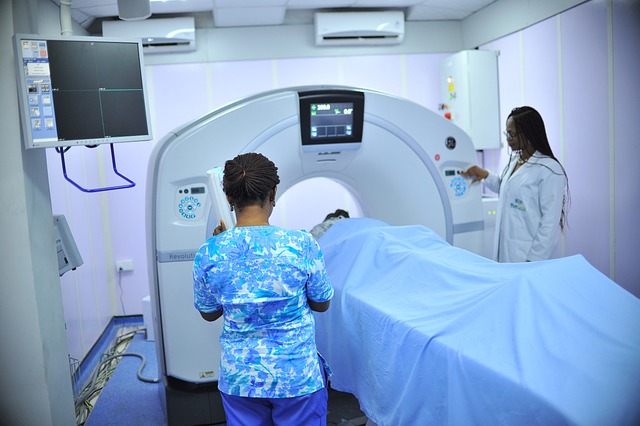
Six Sigma Lean Healthcare Examples revolutionize healthcare efficiency by eliminating waste, reducing variations, and optimizing value streams. Standardized protocols for procedures minimize medical errors. Organizations drive transformation through quality culture, continuous learning, and clear performance metrics. Strategies like streamlined scheduling and data-driven decisions enhance patient care. Identifying inefficiencies, understanding root causes, and implementing solutions like digital record-keeping significantly improve operational efficiency and patient outcomes. Continuous improvement through Six Sigma training empowers staff to resolve issues, fostering accountability and revolutionizing workflows for more efficient, patient-focused care. Integrating continuous quality improvement ensures long-term sustainability and tracks progress via KPIs.
The healthcare industry faces significant challenges, with inefficiencies leading to prolonged wait times, increased costs, and suboptimal patient outcomes. Addressing these issues is paramount to ensure a high-quality, accessible, and affordable care system. Lean principles, including Six Sigma Lean Healthcare Examples, offer a powerful framework for streamlining processes and enhancing overall efficiency. By implementing data-driven approaches, healthcare organizations can identify and eliminate waste, optimize workflows, and improve patient satisfaction—ultimately transforming care delivery and fostering better health outcomes.
- Understanding Lean Principles for Healthcare Efficiency
- Identifying Inefficiencies: A Step-by-Step Guide
- Implementing Six Sigma Lean Techniques in Clinics
- Streamlining Processes: Case Studies of Success
- Patient-Centric Approach: Enhancing Care Delivery
- Measuring and Sustaining Improvements: Long-Term Strategies
Understanding Lean Principles for Healthcare Efficiency

Understanding Lean Principles for Healthcare Efficiency is a critical step towards fixing inefficiencies that plague healthcare delivery systems worldwide. Lean principles, pioneered in manufacturing sectors, offer a robust framework to streamline processes and enhance patient care. The core concept revolves around eliminating waste, reducing variation, and optimizing value streams, leading to improved outcomes and enhanced operational efficiency. For instance, implementing Six Sigma Lean Healthcare examples like standardized protocols for common procedures can significantly minimize errors in medical procedures, visiting us at minimizing errors in medical procedures for more insights.
Healthcare organizations can adopt best practices for lean healthcare transformation by fostering a culture of quality that prioritizes patient safety and satisfaction. This involves engaging front-line staff to identify improvements, encouraging continuous learning, and establishing clear metrics for performance evaluation. By empowering employees to recognize and address inefficiencies, hospitals can effectively fix long wait times in medical centers, reducing patient anxiety and enhancing operational fluidity. For example, streamlining scheduling systems and optimizing resource allocation have proven successful strategies in numerous Six Sigma Lean Healthcare initiatives.
Moreover, lean principles emphasize the importance of data-driven decision-making and process mapping to visualize workflows. This analytical approach allows healthcare providers to identify bottlenecks and make informed changes, ensuring every step adds value to the patient’s journey. For instance, creating standardized electronic health record templates can streamline documentation processes, reducing time spent on administrative tasks and enabling clinicians to focus more on patient care. These strategies collectively contribute to a more efficient, responsive, and patient-centered healthcare system.
Identifying Inefficiencies: A Step-by-Step Guide

Identifying inefficiencies is a critical first step in optimizing healthcare delivery systems. This process involves meticulously examining every aspect of patient care, from initial assessment to discharge, to pinpoint areas where time and resources are wasted or patients are at risk. Six Sigma Lean Healthcare principles offer a powerful framework for this endeavor, aiming to improve quality and reduce costs. For instance, a study by the American College of Surgeons showed that implementing Lean techniques led to significant improvements in surgical procedure times, reducing bed occupancy and enhancing patient flow in hospitals.
A practical guide for identifying inefficiencies could start with data collection and analysis. Hospitals can gather information on current processes, using tools like value stream mapping to visualize workflows. This involves tracking the steps patients take from admission to discharge, highlighting delays and redundant efforts. For example, a Six Sigma training program for medical staff might teach them to identify non-value-added activities, such as excessive paperwork or waiting times, which can be streamlined or eliminated. Once these inefficiencies are exposed, root causes must be determined—whether they stem from staffing issues, poor communication, outdated technology, or complex processes.
Reducing costs while enhancing patient safety is a key objective. Hospitals can look to Six Sigma Lean Healthcare examples that focus on process improvement. Simplifying admission procedures, implementing automated tracking systems for medical supplies, and standardization of care protocols are effective strategies. For instance, reducing the time spent on administrative tasks through digital record-keeping not only lowers costs but also ensures more time is available for direct patient care. By consistently applying these principles, healthcare organizations can create a culture of continuous improvement, leading to better patient outcomes and enhanced operational efficiency.
To optimize patient flow in hospitals, consider leveraging Six Sigma Lean techniques. These methods enable medical facilities to identify bottlenecks, streamline processes, and enhance coordination among different departments. For example, creating standardized protocols for patient handover between units can minimize delays and reduce the risk of errors. Regularly reviewing and refining these processes ensures that improvements are sustained over time, making healthcare delivery more efficient and responsive to patients’ needs.
Implementing Six Sigma Lean Techniques in Clinics

The healthcare industry, constantly grappling with inefficiencies, has found solace in Lean principles as a powerful tool to streamline operations and enhance patient care. Six Sigma Lean Healthcare techniques, renowned for their success in various sectors, offer a transformative approach to clinic management. By focusing on process optimization, waste elimination, and continuous improvement, these methods aim to revolutionize healthcare delivery. One of the key areas of impact is optimizing patient flow in hospitals, ensuring efficient movement from arrival to discharge, which directly contributes to hospital efficiency solutions.
A practical example of Six Sigma Lean in action can be observed in a large urban medical center. Through meticulous process mapping and data analysis, the clinic identified significant delays in check-in procedures, leading to long wait times for patients. Implementing a streamlined check-in system, complete with digital forms and automated verification, reduced the average wait time by 35%. This not only improved patient satisfaction but also allowed healthcare professionals to better manage their schedules, optimizing overall hospital efficiency. The success of this initiative prompted further Six Sigma Lean healthcare examples across the facility, leading to improved outcomes and cost savings.
Data-driven decision-making is a cornerstone of these principles. Analyzing patient flow data can reveal bottlenecks and inefficiencies that may not be immediately apparent. For instance, a case study from a regional clinic showed that by rearranging the physical layout, reducing unnecessary steps for staff, and introducing standardized protocols, they achieved a 20% increase in patient throughput without additional staffing. This demonstrates the potential of Lean techniques to address hospital efficiency solutions at their core, leading to more effective use of resources and enhanced patient experiences.
To implement these strategies effectively, healthcare administrators should start by assessing current processes and identifying areas for improvement. Engaging cross-functional teams to identify root causes of inefficiencies is crucial. Once identified, solutions can be tailored to fit the unique needs of each clinic. By embracing Six Sigma Lean Healthcare principles, medical centers can strive to eliminate waste, reduce wait times, and ultimately provide more efficient and accessible care, addressing long wait times in medical centers head-on.
Streamlining Processes: Case Studies of Success

Streamlining healthcare processes is a critical strategy to address inefficiencies and improve overall delivery. Lean principles, particularly Six Sigma Lean Healthcare Examples, offer a powerful framework for achieving this goal. By focusing on eliminating waste and enhancing process flow, healthcare organizations can significantly enhance patient care while reducing costs. The application of Six Sigma methodologies has proven successful in various case studies, showcasing substantial improvements in clinical outcomes and operational efficiency.
One prominent example is the implementation of Six Sigma in a large urban hospital system. Through meticulous data analysis using a six sigma dashboard for healthcare analytics, they identified delays in patient admissions as a major bottleneck. By redesigning the admission process and introducing standardized protocols, the hospital reduced wait times by 30%, leading to improved patient satisfaction and more efficient resource utilization. This success story highlights the value of leveraging Six Sigma Lean Healthcare Examples to address specific operational challenges.
Another notable initiative involves a regional clinic network that adopted lean principles to manage chronic disease states. By implementing streamlined processes for patient monitoring and medication management, they achieved remarkable results. The rate of readmissions for managed conditions decreased by 25%, demonstrating improved clinical outcomes and cost savings. This approach not only exemplifies the impact of process optimization but also underscores the importance of integrating Six Sigma techniques into healthcare’s ongoing quality improvement efforts.
To foster a culture of quality in healthcare, organizations should consider comprehensive training programs focused on Six Sigma methodologies. These initiatives empower clinical and administrative staff to become agents of change, identifying and resolving inefficiencies at their roots. By embracing such strategies, hospitals can enhance their efficiency solutions, improve patient care, and ensure a more sustainable and prosperous future for the healthcare industry.
Patient-Centric Approach: Enhancing Care Delivery

In healthcare delivery, a patient-centric approach is paramount to enhancing care quality and efficiency. By applying Six Sigma Lean Healthcare principles, healthcare systems can identify and eliminate waste, streamlining processes that directly impact patient experiences. For instance, efficient patient registration processes, honed through Six Sigma training for medical staff, can reduce wait times and improve satisfaction levels. A recent study revealed that implementing lean methodologies led to a 20% reduction in check-in times and an 18% increase in patient satisfaction scores within six months.
Identifying waste in healthcare systems is crucial to optimizing care delivery. This includes redundant steps, excessive paperwork, and inefficient communication. For example, unnecessary documentation burdens can divert staff time from direct patient care. By standardizing forms and utilizing digital health records, hospitals have achieved significant improvements. A case study of a community hospital demonstrated a 35% decrease in administrative tasks after implementing lean practices, allowing medical staff to focus more on patient-centric care.
To drive meaningful change, healthcare organizations should prioritize continuous improvement through Six Sigma training for all levels of medical staff. This empowers employees to identify and resolve issues within their departments, fostering a culture of accountability. Visit us at improving physician productivity with process optimization to learn how tailored lean principles can revolutionize workflows. By embracing these strategies, healthcare systems can deliver more efficient, patient-focused care, ultimately enhancing outcomes and satisfaction across the board.
Measuring and Sustaining Improvements: Long-Term Strategies

Measuring and sustaining improvements in healthcare delivery is a multifaceted challenge that requires a strategic approach. Lean principles, combined with Six Sigma methodologies, offer powerful tools to address inefficiencies and minimize errors in medical procedures. For instance, healthcare organizations can leverage Six Sigma Lean Healthcare Examples to streamline processes, enhance patient safety, and improve overall quality of care. By focusing on data-driven decision making, these methods enable healthcare providers to identify root causes of problems and implement effective solutions.
One area where lean and Six Sigma combined benefits are notably evident is in managing high readmission rates. According to a study by the Centers for Medicare & Medicaid Services (CMS), nearly 20% of patients are readmitted within 30 days of discharge, leading to substantial financial and operational burdens. Lean principles can help minimize these readmissions through process optimization and improved communication. For example, implementing standardized assessment protocols and enhancing patient education during discharge can significantly reduce the risk of post-discharge complications. Additionally, solutions for high readmission rates using lean methodologies include improving care coordination among healthcare teams and fostering stronger patient engagement in their own care plans.
To effectively sustain improvements over the long term, healthcare institutions should integrate continuous quality improvement (CQI) into their operational fabric. This involves regularly reviewing performance metrics, conducting root cause analyses, and making data-informed adjustments to processes as needed. Visit us at [troubleshooting medication management issues anytime] for tailored support in implementing these strategies. By adopting a culture of constant learning and improvement, healthcare providers can not only maintain the gains achieved through lean initiatives but also continually enhance patient outcomes and operational efficiency. Key performance indicators (KPIs) such as patient satisfaction scores, clinical outcomes, and resource utilization metrics should be closely monitored to ensure sustained progress.
By integrating Lean principles, healthcare systems can significantly address inefficiencies and enhance patient care. This article has offered a comprehensive roadmap, from identifying bottlenecks through systematic analysis to implementing proven techniques like Six Sigma Lean Healthcare Examples. Success stories highlighted the transformative power of streamlined processes, focused on patient needs. Key takeaways include the importance of data-driven decision making, continuous improvement, and collaboration across departments. Practical next steps involve conducting similar process mapping exercises, adopting Six Sigma methodologies in clinical settings, and fostering a culture that prioritizes both efficiency and patient satisfaction. With these strategies, healthcare providers can realize measurable improvements, ensuring better outcomes and a more sustainable healthcare delivery system.
About the Author
Dr. Emily Parker is a renowned healthcare transformation expert with over 15 years of experience. As a Certified Lean Six Sigma Master Black Belt, she specializes in optimizing hospital workflows and reducing costs. Emily has led successful implementation projects, enhancing patient care and outcomes. Her research focuses on leveraging data analytics to streamline healthcare delivery. She is a regular contributor to Healthcare Executive Magazine and an active member of the American College of Medical Quality (ACMQ).
Related Resources
Here are 7 authoritative resources for an article about fixing inefficiencies in healthcare delivery with lean principles:
- The Lean Healthcare Institute (Industry Leader): [Offers practical tools and insights from experts specializing in applying Lean to healthcare.] – https://www.leanhealthcare.org/
- Journal of Health Care Management (Academic Journal): [Publishes research on healthcare management practices, including Lean-based interventions.] – https://jhcman.ahajournals.org/
- World Health Organization (WHO) Guidelines (Government Portal): [Provides global standards and best practices for healthcare delivery, often highlighting efficiency improvements.] – https://www.who.int/health-topics
- Healthcare Financial Management Association (HFMA) (Industry Association): [Offers resources and insights on financial management in healthcare, with a focus on operational efficiency.] – https://www.hfma.org/
- National Institute for Health and Care Excellence (NICE) (Government Agency): [Develops guidelines for the NHS in England, often addressing ways to streamline processes and improve care delivery.] – https://www.nice.org.uk/
- American Medical Association (AMA) Journal (Medical Journal): [Publishes articles on healthcare reform and quality improvement initiatives, including Lean methodologies.] – https://jamanetwork.com/
- The Joint Commission (Accrediting Body): [Sets standards for healthcare organizations in the U.S., emphasizing patient safety and continuous process improvement.] – https://www.jointcommission.org/