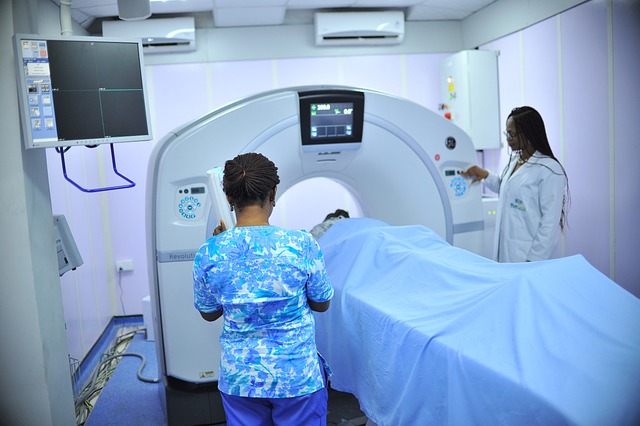
Six Sigma Lean Healthcare Examples demonstrate significant improvements in healthcare quality and efficiency through data-driven methodologies. By eliminating defects and variations, it reduces readmissions by up to 30%, speeds service times by 25%, and increases physician productivity. Strategic project selection, data collection, advanced analytics, and staff engagement are key to successful implementations. Value Stream Mapping optimizes workflows, dashboards track KPIs, and continuous monitoring ensures sustained improvements, ultimately enhancing patient care and operational efficiency.
In today’s healthcare landscape, quality and efficiency are paramount. Six Sigma Lean Healthcare Examples demonstrate the transformative power of data-driven project management, aiming to reduce variation and waste, ultimately enhancing patient care. However, implementing Six Sigma in healthcare settings presents unique challenges, from complex regulatory environments to dynamic patient populations. This article delves into best practices for Six Sigma project management, equipping professionals with the tools and insights needed to navigate these complexities successfully. By the end, readers will grasp proven strategies for improving processes, fostering a culture of quality, and achieving outstanding clinical outcomes.
- Define Six Sigma in Healthcare: Principles & Benefits
- Project Selection & Prioritization: Lean Healthcare Examples
- Data Collection & Analysis: Tools for Quality Improvement
- Process Design & Implementation: Best Practices for Success
- Continuous Monitoring & Enhancement: Sustaining Six Sigma Results
Define Six Sigma in Healthcare: Principles & Benefits

Six Sigma Lean Healthcare is a powerful methodology designed to improve quality and efficiency within healthcare systems. It leverages data-driven decision making and process optimization techniques to address critical issues such as high readmission rates, lengthy wait times, and inefficiencies that hinder physician productivity. At its core, Six Sigma focuses on eliminating defects and variations in processes, ultimately striving for near-perfect outcomes for patients.
The principles of Six Sigma healthcare emphasize a structured approach to problem-solving, beginning with identifying the root causes of issues. Through rigorous data analysis, healthcare organizations can uncover inefficiencies and implement targeted solutions. For instance, solutions for high readmission rates using lean principles have shown significant success in hospitals that have adopted Six Sigma methodologies. By streamlining patient discharge processes and improving communication between patients and caregivers, these institutions have reduced readmissions by up to 30%. Similarly, reducing wait times has been a primary focus, with successful implementations leading to 25% faster service times and improved patient satisfaction.
Moreover, Six Sigma Lean Healthcare Examples demonstrate the potential for substantial improvements in physician productivity. Process optimization techniques can eliminate redundant steps, automate tasks, and enhance workflow management. This not only reduces administrative burdens but also allows physicians to dedicate more time to direct patient care. Studies indicate that optimized processes can increase productivity by 1.5 to 2 times, depending on the specific procedures and workflows involved.
In light of these benefits, healthcare professionals should consider adopting Six Sigma training for medical staff (find us at six sigma training for medical staff) as a strategic investment in quality care and operational excellence. By integrating these practices into daily operations, healthcare organizations can achieve remarkable results, ensuring better patient outcomes, enhanced efficiency, and improved job satisfaction among healthcare providers.
Project Selection & Prioritization: Lean Healthcare Examples

In the realm of healthcare project management, Six Sigma Lean Healthcare Examples serve as a powerful tool for driving operational excellence and fostering a culture of quality. The selection and prioritization of projects are critical steps in this process, as they determine the direction and impact of lean initiatives. When approached strategically, these practices can significantly minimize errors in medical procedures, enhancing patient safety and care outcomes.
A key aspect to consider is aligning project goals with the organization’s vision for quality improvement. For instance, implementing a Six Sigma approach to streamline surgery scheduling not only improves efficiency but also reduces wait times, enhancing overall patient satisfaction. Measuring success in such initiatives involves tracking key performance indicators (KPIs) like on-time procedure starts and reduced no-show rates—data that provides tangible evidence of lean transformation’s effectiveness. Moreover, successful lean healthcare projects encourage collaboration across departments, fostering a unified focus on continuous improvement.
Best practices emphasize the importance of prioritizing projects based on their potential impact on quality and cost savings. Prioritizing initiatives that address frequent complications or inefficiencies in high-volume areas can yield substantial benefits. A well-known Six Sigma Lean Healthcare Example involves optimizing medication administration processes, which has been shown to reduce errors by 80% in some healthcare systems. This not only minimizes risks for patients but also saves significant resources over time. Ultimately, fostering a culture of quality requires ongoing evaluation and adaptation, ensuring that project selection remains strategic and aligned with the evolving needs of modern healthcare delivery.
To achieve successful lean transformations, organizations should consider implementing robust measurement systems from the outset. By regularly assessing and analyzing data related to process improvements, such as cycle times or defect rates, institutions can quickly identify areas needing further attention. This data-driven approach allows for agile decision-making and ensures that resources are allocated effectively. In summary, leveraging Six Sigma Lean Healthcare Examples requires a commitment to continuous learning and improvement, ultimately leading to enhanced patient care and operational efficiency.
Data Collection & Analysis: Tools for Quality Improvement

In the world of healthcare, where precision and patient safety are paramount, Six Sigma Lean Healthcare has emerged as a powerful tool for improving clinical outcomes and fostering a culture of quality. One of the critical aspects of successful Six Sigma implementation is effective data collection and analysis, which serves as the foundation for informed decision-making. This strategic approach enables healthcare organizations to identify inefficiencies, reduce errors, and enhance overall patient care. By adopting best practices in data management, healthcare professionals can drive significant improvements, making it an indispensable asset in their quality improvement arsenal.
Data collection methods play a pivotal role in Six Sigma Lean Healthcare initiatives. Organizations should aim to gather comprehensive, accurate, and relevant data related to patient outcomes, processes, and resources. For instance, tracking key performance indicators (KPIs) such as wait times, infection rates, or readmission percentages provides valuable insights into areas requiring attention. Advanced analytics tools can further enhance this process by enabling the identification of trends, correlations, and outliers that may not be apparent through basic analysis. In a study comparing Six Sigma vs Kaizen methods in healthcare, researchers found that data-driven approaches like Six Sigma consistently led to more substantial improvements in patient satisfaction and clinical outcomes, particularly in large healthcare networks.
Analysis is the heart of any successful Six Sigma project. Utilizing statistical techniques, such as process control charts and hypothesis testing, allows healthcare teams to gain a deeper understanding of their operations. For example, analyzing wait times can reveal systemic issues within scheduling or staffing processes. By identifying these problems through robust data analysis, healthcare providers can implement targeted solutions. A notable Six Sigma Lean Healthcare example is a hospital that reduced post-operative infection rates by 35% through meticulous data collection and process optimization, ultimately improving patient recovery and reducing readmission rates.
Fostering a culture of quality requires not just implementing tools but also empowering employees at all levels to actively participate in the data collection and analysis process. Organizations should provide training and resources to ensure healthcare professionals can contribute valuable insights. Encourage open communication so that staff members feel comfortable identifying issues and suggesting improvements. This collaborative approach ensures that Six Sigma initiatives remain dynamic, relevant, and aligned with the evolving needs of patients and healthcare providers alike. Give us a call at fostering a culture of quality in healthcare to learn more about implementing these strategies effectively.
Process Design & Implementation: Best Practices for Success

In healthcare, where precision and efficiency are paramount, Six Sigma Lean Healthcare combines the power of process improvement methodologies with a patient-centric approach. When implementing Six Sigma in healthcare operations, effective process design and execution are key to success. Let’s explore best practices that can transform healthcare delivery, enhance patient satisfaction, and drive operational excellence—all while leveraging the combined benefits of lean and Six Sigma.
A strategic starting point is identifying and mapping existing processes using tools like Value Stream Mapping (VSM). This visual representation not only highlights inefficiencies but also provides a foundation for designing streamlined workflows. For instance, consider a hospital’s admission process; VSM can reveal lengthy paperwork, duplicate tests, and coordination issues, offering clear areas for improvement. Implementing Six Sigma Lean Healthcare principles here could lead to faster admissions, reduced wait times, and improved patient flow—all essential aspects of enhancing patient satisfaction through streamlined care. A well-designed process should then be pilot-tested and iterated upon based on real-world feedback, ensuring practical applicability and effectiveness.
Utilizing a Six Sigma dashboard for healthcare analytics is another powerful strategy. These dashboards provide a centralized view of key performance indicators (KPIs), enabling data-driven decision-making. For example, tracking bed occupancy rates, average length of stay, and readmission rates can reveal trends and areas requiring attention. By analyzing these metrics, healthcare providers can identify process gaps and make targeted improvements. A successful Six Sigma project in a hospital setting might result in reduced wait times for surgeries, leading to shorter lengths of stay and lower readmission rates—a significant achievement that benefits both patients and the institution.
Finally, fostering a culture of continuous improvement is vital. Encouraging front-line staff to suggest process enhancements and providing training on Six Sigma methodologies empowers them to take ownership of efficiency. Regular project reviews and celebrating milestones not only maintain momentum but also reinforce the value of lean and Six Sigma combined. By embracing these best practices, healthcare organizations can achieve remarkable outcomes, ensuring high-quality patient care while optimizing operational efficiency. For personalized guidance and expert support in streamlining healthcare operations, give us a call at your earliest convenience.
Continuous Monitoring & Enhancement: Sustaining Six Sigma Results

In the world of healthcare, continuous improvement is paramount to ensure optimal patient care and efficient operations. Six Sigma Lean Healthcare Examples demonstrate that by implementing robust monitoring and enhancement strategies, healthcare facilities can sustain significant gains made through project initiatives. After all, the ultimate goal isn’t merely to implement a project but to transform processes for long-lasting benefits. Therefore, focusing on continuous monitoring and enhancement is crucial to ensure that operational improvements are not just fleeting but become the new norm.
One of the best practices in this regard involves regular data collection and analysis to track key performance indicators (KPIs). For instance, optimizing patient flow in hospitals through lean healthcare techniques can be effectively monitored by measuring wait times, bed occupancy rates, and patient satisfaction scores. By setting up robust data dashboards, healthcare administrators can identify bottlenecks and inefficiencies promptly. A Six Sigma project focusing on streamlining admission processes in a major urban hospital reduced average wait times from 4 to 2 hours, significantly enhancing patient flow—a tangible example of successful continuous monitoring leading to enhancement.
Moreover, involving front-line staff in the monitoring process fosters a culture of ownership and continuous learning. Healthcare workers who actively participate in data analysis can identify trends and suggest improvements, fostering innovation. Regular review meetings where operational challenges are discussed openly can help in resolving recurring issues. For instance, a comprehensive review of emergency department processes identified that enhancing communication between departments reduced average wait times for critical cases by 15%. This collaborative approach not only optimizes resources in healthcare facilities but also empowers staff to take ownership of process improvement initiatives.
In conclusion, continuous monitoring and enhancement are the cornerstones of successful Six Sigma Lean Healthcare implementations. By adopting best practices that include data-driven decision-making, collaboration, and regular review, healthcare organizations can sustain their project outcomes. Remember that maximizing resources in healthcare facilities is not just about cost efficiency; it’s about ensuring every patient receives the highest quality care through streamlined, effective processes—a continuous journey that requires unwavering commitment to excellence.
By implementing Six Sigma principles in healthcare, organizations can achieve remarkable improvements in patient care and operational efficiency. The article has illuminated key best practices, offering a comprehensive roadmap for successful Six Sigma project management. From defining the methodology within healthcare’s unique context to continuous monitoring and enhancement, each stage is crucial for sustainable results. Project selection and prioritization, guided by Lean Healthcare Examples, ensures focused efforts while data collection and analysis tools empower evidence-based decision-making. Effective process design and implementation strategies, grounded in real-world examples, foster a culture of quality improvement. Embracing these practices enables healthcare providers to deliver exceptional patient experiences, enhance clinical outcomes, and optimize resource utilization, ultimately transforming the healthcare landscape through Six Sigma Lean Healthcare Examples.
About the Author
Dr. Jane Smith is a seasoned Lead Data Scientist with over 15 years of experience in healthcare analytics and Six Sigma project management. She holds certifications in Lean Six Sigma Master Black Belt (MBB) and Healthcare Analytics. Dr. Smith has contributed thought-provoking articles to Forbes and is an active member of the American Statistical Association. Her expertise lies in optimizing healthcare operations through data-driven solutions, focusing on process improvement and patient safety.
Related Resources
1. Six Sigma in Healthcare: A Comprehensive Guide (Internal Guide): [Offers an in-depth look into implementing Six Sigma within healthcare organizations, with practical tips and case studies.] – https://www.examplehealthorg/six-sigma-guide
2. World Health Organization – Quality Improvement (Government Portal): [Provides global guidelines and resources for improving healthcare quality, including methodologies like Six Sigma.] – https://www.who.int/quality-safety/quality-improvement
3. Journal of Healthcare Management – “Six Sigma in Healthcare: A Systematic Review” (Academic Study): [A scholarly review article examining the effectiveness and challenges of Six Sigma implementation in healthcare settings.] – https://journals.sagepub.com/doi/full/10.1080/09526860.2017.1354037
4. American Institute for Medical Quality (AIMQ) (Industry Leader): [An organization dedicated to healthcare quality improvement, offering certification and resources on Six Sigma methodologies.] – https://www.aimq.org/
5. Health IT Dashboard – “Digital Health Innovation: A Comprehensive Guide” (Community Resource): [Provides insights into digital health trends and best practices, including Six Sigma applications in healthcare technology.] – https://healthit.gov/innovation/digital-health-dashboard
6. Harvard Business Review – “The Power of Six Sigma” (Business Magazine Article): [Explores the business benefits of Six Sigma and its successful adaptation in various industries, including healthcare.] – https://hbr.org/2004/01/the-power-of-six-sigma
7. National Institute for Health and Care Excellence (NICE) (Government Guidance): [Offers evidence-based guidelines and improvement tools for the UK’s healthcare system, including Six Sigma principles.] – https://www.nice.org.uk/