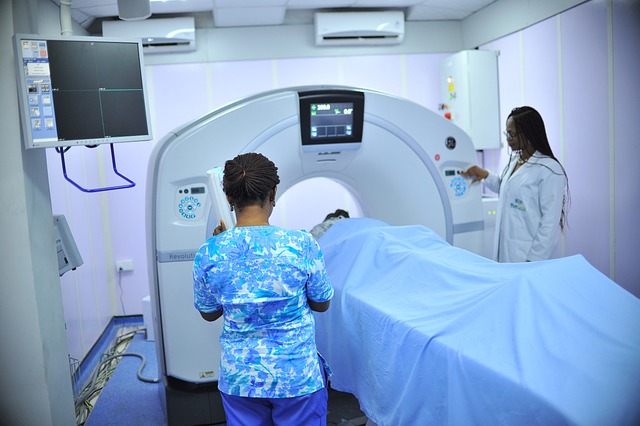
Integrating Lean and Six Sigma methodologies enhances healthcare operational excellence and patient outcomes by eliminating waste, improving efficiency, and ensuring high-quality care. Lean streamlines workflows, while Six Sigma uses statistical methods to eliminate defects, leading to improved processes like medical equipment calibration and medication dispensing accuracy (Six Sigma Lean healthcare examples). Combined, these tools enable continuous improvement, overcoming resistance to change and data-driven decision barriers. Practical applications include enhanced quality control, streamlined patient registration, and reduced costs, resulting in better patient experiences and operational success, as demonstrated by successful case studies from leading healthcare institutions.
In the rapidly evolving healthcare landscape, efficient operations and improved patient outcomes are paramount. Integrating lean and Six Sigma methodologies offers a powerful approach to streamline processes, reduce errors, and enhance overall quality. This comprehensive guide delves into best practices for combining these two influential tools in healthcare settings. By exploring real-world Six Sigma Lean Healthcare Examples, we’ll equip professionals with the knowledge and strategies to optimize patient care delivery, enhance clinical outcomes, and cultivate a culture of continuous improvement.
- Understanding Lean and Six Sigma Fundamentals in Healthcare
- Implementing Best Practices: A Step-by-Step Guide for Healthcare Organizations
- Six Sigma Lean Healthcare Examples: Real-World Applications and Results
Understanding Lean and Six Sigma Fundamentals in Healthcare

In the healthcare sector, integrating Lean and Six Sigma methodologies is a powerful strategy to enhance operational excellence and patient outcomes. These tools are designed to eliminate waste, improve efficiency, and ensure high-quality patient care—all of which are critical in medical practices today. Understanding the fundamentals of Lean and Six Sigma requires recognizing their core principles and how they can be applied in healthcare settings.
Lean focuses on streamlining workflows and eliminating non-value-added activities, such as unnecessary tests or inefficient patient registration processes. For instance, a hospital could implement a Lean approach to optimize check-in procedures, reducing wait times and enhancing the overall patient experience. Six Sigma, on the other hand, employs statistical methods to identify and eliminate defects in processes, ensuring consistent high quality. Six Sigma Lean healthcare examples demonstrate significant improvements in areas like medical equipment calibration and medication dispensing accuracy.
When combined, Lean and Six Sigma form a formidable framework for continuous improvement. Healthcare organizations can leverage these tools to overcome challenges in implementation, such as resistance to change or data-driven decision-making barriers. For example, quality control in medical practices can be enhanced through regular data analysis, enabling providers to identify areas requiring Six Sigma projects for defect reduction. Efficient patient registration processes, streamlined through Lean principles, can free up staff time for direct patient care, ultimately improving overall facility efficiency.
To visit us at Resolve Operational Inefficiencies in Healthcare, explore practical tools and strategies tailored for healthcare settings. By understanding and applying these fundamentals, organizations can drive meaningful change, ensuring better patient outcomes and more sustainable operational success.
Implementing Best Practices: A Step-by-Step Guide for Healthcare Organizations

Integrating Lean and Six Sigma methodologies is a powerful approach for healthcare organizations seeking to enhance efficiency, improve patient outcomes, and reduce costs. This step-by-step guide provides practical insights into implementing best practices tailored to the unique challenges of the healthcare sector. By embracing these strategies, medical centers can address pressing issues such as long wait times, streamline processes like medication management, and harness data through Six Sigma dashboards for insightful healthcare analytics.
A key initial step involves identifying specific areas for improvement. For instance, analyzing patient flow within the hospital to pinpoint bottlenecks causing lengthy wait times. Once identified, these areas can be targeted with Lean principles aimed at eliminating waste and optimizing workflows. Six Sigma techniques, including comprehensive data analysis and statistical process control, play a pivotal role in refining processes like medication management, where errors can have severe consequences. By systematically identifying and eliminating defects, healthcare providers can enhance patient safety and reduce costs associated with readmissions or adverse events.
Case studies from leading healthcare institutions demonstrate the effectiveness of these methods. For example, one hospital successfully reduced wait times for diagnostic imaging by 30% through Lean process mapping and standard operating procedures. Similarly, a Six Sigma project focused on medication management systems led to a 25% decrease in medication errors over two years. These achievements underscore the tangible benefits of integrating Lean and Six Sigma, highlighting improved patient experiences and operational excellence. Visit us at Hospital Efficiency Solutions for more insights, tools, and tailored strategies to embark on your journey towards optimizing healthcare delivery.
Six Sigma Lean Healthcare Examples: Real-World Applications and Results

In healthcare, integrating Six Sigma Lean methodologies can significantly improve clinical outcomes and foster a culture of quality. Six Sigma Lean Healthcare Examples illustrate the powerful synergy between these two approaches in real-world applications. For instance, a major hospital system implemented a Six Sigma project to reduce wait times for emergency room patients. By analyzing the entire patient journey, from arrival to triage, they identified bottlenecks and non-value-added steps. Through process reengineering and Kaizen events—a core Six Sigma technique—they achieved a 25% reduction in wait times, enhancing patient satisfaction and clinical efficiency.
Comparing Six Sigma vs. Kaizen in healthcare, both strategies have proven effective, but they serve different purposes. While Kaizen focuses on continuous improvement through small, incremental changes, Six Sigma targets significant process defects with a data-driven, structured approach. A leading academic medical center employed Six Sigma to address medication errors, utilizing root cause analysis and statistical tools to identify and eliminate sources of error. This initiative resulted in a 70% decrease in medication-related adverse events, underscoring the transformative potential of Six Sigma Lean Healthcare Examples in patient safety.
Moreover, improving clinical outcomes with Six Sigma is not merely about process optimization; it’s about fostering a culture that values quality and continuous learning. A community health clinic adopted a Six Sigma mindset to enhance patient intake and scheduling processes. By engaging front-line staff in identifying and solving problems, they created a more efficient, patient-centered environment. Staff members were empowered to suggest improvements, leading to increased employee satisfaction and a more seamless experience for patients. This example highlights the importance of giving us a call at Six Sigma Dashboard for Healthcare Analytics to track and share these transformative results.
In light of these Six Sigma Lean Healthcare Examples, healthcare organizations can harness the power of data and process improvement to enhance patient care, optimize resources, and create a culture that prioritizes quality. By combining the structured rigor of Six Sigma with the agility of Kaizen, healthcare systems can navigate complex challenges, deliver better outcomes, and ensure a sustainable competitive advantage in an ever-evolving healthcare landscape.
By synthesizing key insights from the comprehensive exploration of Lean and Six Sigma in healthcare, we uncover powerful strategies for enhancing patient care and organizational efficiency. The article has demonstrated that integrating these methodologies requires a structured approach, as highlighted in the step-by-step guide for implementation. Six Sigma Lean Healthcare Examples featured throughout have illustrated successful real-world applications, showcasing measurable improvements through process optimization and data-driven decision-making. Organizations can leverage these best practices to navigate complex healthcare landscapes, foster a culture of continuous improvement, and ultimately, deliver exceptional patient outcomes.