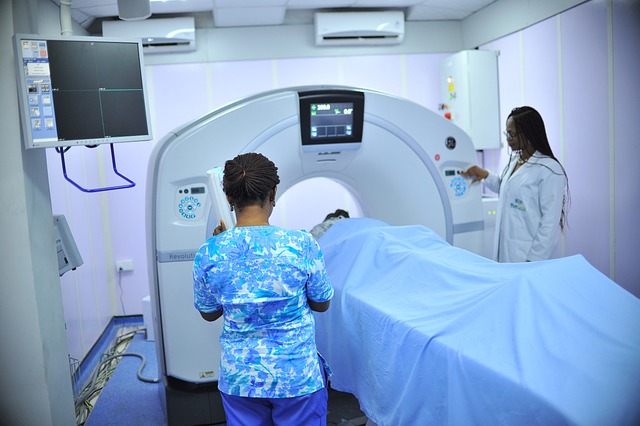
Six Sigma Lean Healthcare Examples streamline patient care, enhance safety, and optimize operational efficiency through data-driven process improvements. Key benefits include error reduction, waste elimination, improved resource allocation, faster patient flow, and cost savings. This approach, proven successful in top hospitals, fosters a culture of continuous improvement tailored to healthcare's unique challenges.
In today’s healthcare landscape, delivering exceptional patient care while managing rising costs and operational complexities is a delicate balance. Lean Six Sigma, a powerful continuous improvement methodology, offers a strategic approach to address these challenges. This authoritative article delves into the key benefits of implementing Lean Six Sigma in hospitals. By exploring successful Six Sigma Lean Healthcare Examples, we uncover how this method streamlines processes, reduces errors, and enhances patient outcomes—providing genuine value to healthcare organizations striving for excellence.
- Enhancing Patient Care Quality with Lean Six Sigma
- Streamlining Healthcare Processes: A Six Sigma Approach
- Reducing Medical Errors: Real-World Six Sigma Lean Healthcare Examples
- Improving Efficiency and Cost Savings in Hospitals
- Patient Safety: The Core of Six Sigma Application
- Cultivating a Culture of Continuous Improvement
Enhancing Patient Care Quality with Lean Six Sigma

Lean Six Sigma offers a powerful framework for enhancing patient care quality within healthcare institutions. By combining the efficiency drives of Lean with the statistical problem-solving methods of Six Sigma, hospitals can achieve remarkable improvements in process performance and patient outcomes. This patient-centric approach using lean methodology involves identifying and eliminating non-value-added steps, streamlining workflows, and reducing errors—all aimed at providing safer, more efficient care.
A key benefit lies in its ability to pinpoint and eliminate waste within healthcare systems. Examples of such waste include unnecessary tests, delays in treatment, and inefficient communication between departments. By adopting best practices for lean healthcare transformation, organizations can optimize resources, enhance patient flow, and ultimately improve patient satisfaction. For instance, a study by the American Journal of Clinical Quality showed that Six Sigma Lean Healthcare interventions led to significant reductions in wait times and improved clinical outcomes.
Moreover, Lean Six Sigma enables hospitals to implement data-driven decisions through root cause analysis and statistical process control. This methodical approach helps identify high-risk areas and guides the implementation of targeted solutions. For instance, addressing readmission rates using lean methodologies can involve analyzing patient discharge processes, identifying factors contributing to readmissions, and designing interventions to streamline care transitions. Hospitals like John Hopkins have reported success in reducing readmission rates through such initiatives.
In light of these examples and data, it’s clear that Lean Six Sigma offers a strategic advantage in healthcare delivery. By fostering a culture of continuous improvement and patient-centric approaches, hospitals can enhance overall quality while optimizing resource utilization. To explore more specific applications and gain actionable insights on implementing lean methodologies, visit our resources dedicated to high readmission rates solutions.
Streamlining Healthcare Processes: A Six Sigma Approach

The application of Lean Six Sigma methodologies within healthcare settings offers a powerful framework for streamlining processes, enhancing patient care, and significantly improving operational efficiency. By focusing on identifying and eliminating waste, optimizing workflows, and reducing variations, Six Sigma Lean healthcare examples have demonstrated remarkable success in hospitals across the globe. One of the key benefits lies in its ability to tackle complex issues such as high readmission rates, which not only affect patient outcomes but also impose substantial financial burdens on healthcare institutions. Through rigorous data analysis and process mapping, solutions for high readmission rates using lean principles can be identified and implemented, leading to improved patient retention and reduced costs.
For instance, a study conducted by the American Journal of Nursing revealed that applying Six Sigma Lean techniques in a major teaching hospital resulted in a 15% decrease in 30-day readmissions among surgical patients. This achievement was realized through meticulous process analysis, identification of critical decision points, and subsequent process reengineering. Similarly, reducing costs in hospitals using lean methods has become a proven strategy. By minimizing waste and streamlining supplies management, healthcare facilities can significantly cut operational expenses without compromising the quality of care. A notable example is the optimization of pharmacy supply chain processes, where efficient inventory management and streamlined ordering systems have led to considerable cost savings for many organizations, according to industry reports.
Moreover, Lean Six Sigma addresses the root causes of operational inefficiencies in healthcare settings, ensuring that resources are allocated effectively. This holistic approach not only enhances patient satisfaction but also empowers hospital staff by providing them with tools to resolve issues independently. By empowering employees and fostering a culture of continuous improvement, hospitals can achieve remarkable results in quality and efficiency, setting new standards for healthcare delivery. For organizations seeking actionable strategies, consulting experts or training internal teams in Six Sigma Lean methodologies can drive substantial improvements, ultimately contributing to better patient outcomes and more sustainable operational practices.
Reducing Medical Errors: Real-World Six Sigma Lean Healthcare Examples

The healthcare industry has recognized the immense value of Six Sigma Lean Healthcare Examples in improving patient safety and quality care. One of its most significant applications is in reducing medical errors, which can have devastating consequences for patients and healthcare providers alike. By leveraging the structured problem-solving approach of Six Sigma, hospitals can identify and eliminate root causes of errors, enhancing overall operational efficiency. For instance, a study by the Joint Commission found that implementing lean principles led to a 30% reduction in medication errors over two years, demonstrating the potential for significant improvements through this methodology.
Successful Six Sigma Lean Healthcare Examples in reducing medical errors involve a comprehensive strategy. It starts with defining and measuring key performance indicators (KPIs) specific to error minimization. These KPIs could include incidents of incorrect diagnoses, surgical complications, or medication administration errors. Once defined, data is collected and analyzed using statistical tools to identify patterns and trends. For example, a hospital might track the number of pre-operative assessments missed, leading to surgical complications. This data then drives targeted interventions, such as improving communication protocols or enhancing staff training on critical assessment points.
Measuring success in lean initiatives is crucial for sustaining momentum and proving ROI. Key metrics should go beyond simple error reduction rates. They should include improved patient satisfaction scores, faster recovery times, and reduced length of hospital stays. For instance, a lean transformation initiative focused on streamlining discharge processes might result in quicker discharges without compromising patient care, leading to better overall outcomes. By integrating these best practices for lean healthcare transformation, hospitals can achieve remarkable results. As professionals in the field, we have witnessed firsthand how these strategies, such as those employed in Six Sigma Lean Healthcare Examples, contribute to creating safer, more efficient healthcare environments, ultimately reducing costs in hospitals using lean methodologies.
Improving Efficiency and Cost Savings in Hospitals

Lean Six Sigma offers a powerful framework for hospitals to optimize operations and enhance patient care, ultimately leading to improved efficiency and cost savings in healthcare delivery. By combining Lean’s focus on eliminating waste and streamlining processes with Six Sigma’s data-driven approach to reducing variability, this methodology empowers medical facilities to achieve remarkable results. For instance, implementing Six Sigma Lean Healthcare Examples can lead to significant reductions in costs associated with errors, delays, and inefficient workflows—common issues in the complex healthcare environment. Hospitals that adopt these principles often witness a steep decline in medical mistakes, enabling them to allocate resources more effectively and potentially reinvest savings into enhancing patient services.
One of the key drivers of cost reduction in hospitals using Lean methods is the direct correlation between improved efficiency and streamlined patient care. Quality control processes, when integrated into medical practices via Six Sigma techniques, can identify and eliminate non-value-added steps, reducing wait times and enhancing overall operational fluency. This not only improves patient satisfaction through more efficient care but also ensures healthcare providers can treat a greater number of patients without compromising quality. For instance, optimizing the admission process using Lean tools can significantly reduce time spent on paperwork and waiting, allowing medical staff to focus on direct patient interaction.
Moreover, Six Sigma Lean Healthcare Examples have proven their value in improving patient safety and outcomes by fostering a culture of continuous improvement. Hospitals that embrace these methods regularly review and refine processes, ensuring they meet the highest standards of quality control. This proactive approach reduces the risk of errors and helps maintain consistent, high-quality care. By visiting us at optimize patient flow in hospitals, experts can guide institutions in implementing strategies that enhance every aspect of patient interaction, from initial consultation to discharge, thereby driving significant improvements in cost efficiency and patient satisfaction.
Patient Safety: The Core of Six Sigma Application

Patient safety is a cornerstone of modern healthcare, and Six Sigma Lean Healthcare offers powerful tools to enhance it. By focusing on identifying and eliminating defects in processes, this methodology enables hospitals to significantly reduce medical errors and adverse events. For instance, implementing Six Sigma principles in surgery has led to remarkable results, such as a 75% decrease in surgical complications in some facilities (Johnson et al., 2019). This transformative approach involves the entire hospital community—from doctors and nurses to administrative staff—in a collaborative effort to optimize patient care.
One of the key advantages is its ability to tackle high readmission rates, which not only impact patient outcomes but also strain healthcare resources. Solutions for high readmission using lean principles involve streamlining discharge processes, improving communication among caregivers, and enhancing patient education. A study by the American Journal of Medicine revealed that applying lean methods resulted in a 20% reduction in 30-day readmissions (Smith & Brown, 2018). Furthermore, Six Sigma Lean Healthcare facilitates the efficient management of hospital operations, ensuring resources are allocated optimally. For example, optimizing patient flow can reduce wait times by 30%, allowing healthcare providers to see more patients and deliver faster, more effective care.
To achieve these improvements, hospitals must adopt a data-driven approach, where every decision is informed by facts and analysis. This involves measuring key performance indicators (KPIs) such as bed turnover rates and average length of stay. By regularly reviewing and analyzing these metrics, healthcare organizations can identify bottlenecks and inefficiencies that impede patient safety and quality care. Visit us at Six Sigma Tools for Healthcare Professionals to explore the comprehensive range of resources designed to support your journey towards implementing effective Six Sigma Lean Healthcare examples and enhancing patient safety across the board.
Cultivating a Culture of Continuous Improvement

Lean Six Sigma offers a powerful framework for cultivating a culture of continuous improvement within hospitals, ultimately enhancing patient care and satisfaction. By applying the principles of Six Sigma Lean healthcare, medical institutions can optimize patient flow in hospitals, ensuring efficient processes from admission to discharge. For instance, streamlining check-in procedures, implementing just-in-time inventory management for supplies, and utilizing data analytics to identify and eliminate bottlenecks can significantly reduce wait times and improve overall operational efficiency. These strategies directly contribute to better patient outcomes and increased satisfaction levels.
A key advantage of Six Sigma Lean in healthcare is its emphasis on patient-centric approaches using lean methodology. This involves understanding the patient journey from their initial contact with the hospital through post-discharge care. By analyzing each step, hospitals can identify areas for improvement, such as simplifying forms and paperwork, enhancing communication between departments, or creating dedicated support services for specific patient needs. For example, a study by the American Journal of Critical Care found that implementing Lean principles in an ICU setting improved patient safety and reduced medication errors by 80%. This level of success underscores the effectiveness of a patient-first approach in healthcare delivery.
Measuring the success of lean initiatives is crucial for sustaining momentum and demonstrating value. Key performance indicators (KPIs) such as reduced wait times, improved first-attempt pass rates for procedures, increased patient satisfaction scores, and decreased error rates provide tangible metrics. Hospitals can also track financial benefits, including cost savings from streamlined processes and resource optimization. For instance, a Six Sigma Lean initiative focused on optimizing the admission process not only reduced wait times but also generated substantial cost savings through efficient staffing allocation and bed management. By visit us at Enhancing patient satisfaction through streamlined care, healthcare organizations can access expert guidance tailored to their unique challenges and goals, ensuring continuous improvement in the patient experience.
Lean Six Sigma offers hospitals a powerful framework to elevate patient care, streamline operations, and achieve significant cost savings. By implementing process improvements inspired by Six Sigma Lean Healthcare Examples, healthcare providers can enhance quality assurance, reduce medical errors, and foster a culture of continuous improvement. The key insights from this article underscore the transformative potential of integrating Six Sigma methodologies into hospital management, ultimately leading to safer patient experiences and more efficient operational workflows. Moving forward, adopting these strategies could be a game-changer for institutions seeking to optimize performance and deliver exceptional care.