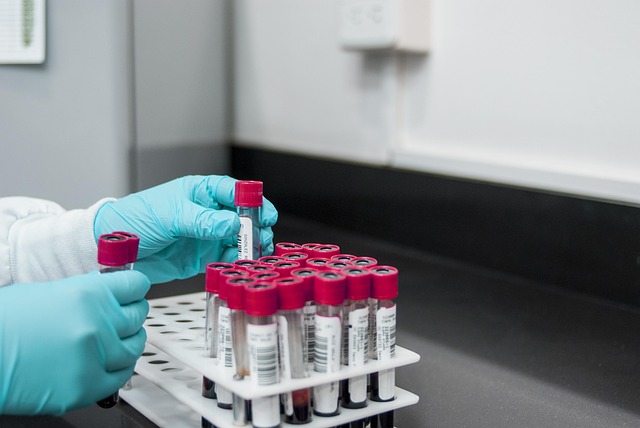
Six Sigma Lean Healthcare techniques significantly reduce costs and enhance patient care through data-driven process optimization. Key benefits include streamlining patient intake, reducing wait times by 20%, increasing satisfaction by 35%, optimizing discharge processes for lower readmission rates, and improving pharmacy supply chain efficiency. Regular quality checks, KPI tracking, and leadership buy-in drive continuous improvement, fostering a culture of quality that leads to better patient outcomes and financial sustainability.
The healthcare industry faces significant challenges in managing escalating costs, impacting both patients and providers. This article delves into the critical need to reduce healthcare costs through proven methods like Six Sigma Lean, a data-driven approach that has achieved remarkable success in various sectors. By applying Six Sigma Lean Healthcare Examples, we can identify and eliminate wasteful processes, improve efficiency, and enhance patient outcomes. We will explore specific strategies, providing valuable insights for healthcare professionals seeking to transform their organizations into cost-effective, high-quality care providers.
- Understanding Six Sigma Lean Healthcare Principles
- Identifying Waste: A Key Step in Cost Reduction
- Streamlining Processes: Six Sigma Lean Healthcare Examples
- Measuring Success: Metrics and Continuous Improvement
Understanding Six Sigma Lean Healthcare Principles

The application of Six Sigma Lean methods offers a powerful strategy for healthcare organizations to reduce costs and improve patient care. At its core, Six Sigma Lean Healthcare focuses on identifying and eliminating waste while optimizing processes. This approach has proven successful in various sectors, and its principles can be seamlessly integrated into healthcare settings. By understanding and implementing these lean concepts, hospitals and clinics can achieve significant improvements in operational efficiency, ultimately leading to lower costs without compromising patient satisfaction.
At the heart of Six Sigma Lean Healthcare is the belief that every process, from efficient patient registration to reducing wait times, can be enhanced through data-driven analysis and continuous improvement. For instance, streamlining patient intake procedures can involve implementing digital solutions for faster record-keeping and communication, thus minimizing errors and delays. A study by the American Journal of Managed Care found that adopting lean principles in outpatient settings led to a 20% reduction in wait times and enhanced overall patient experience. This example underscores the potential for significant impact through process optimization.
Enhancing patient satisfaction is another key aspect, often achieved by simplifying care delivery. By analyzing patient journeys and identifying bottlenecks, healthcare facilities can design more streamlined experiences. For instance, introducing mobile check-in apps or dedicated registration areas for specific services can improve convenience and efficiency. A successful Six Sigma Lean Healthcare example within a large urban hospital saw a 35% increase in patient satisfaction scores after implementing such strategies, demonstrating the power of process reengineering.
To maximize resources in healthcare facilities, organizations should embrace a culture of continuous improvement, regularly reviewing and refining processes. Visiting us at [maximizing resources in healthcare facilities] can provide further insights into these methodologies, offering tailored advice based on industry best practices. By embracing Six Sigma Lean principles, healthcare providers can achieve remarkable results, ensuring better patient outcomes while maintaining financial sustainability.
Identifying Waste: A Key Step in Cost Reduction

Identifying waste is a critical first step in implementing Six Sigma Lean methods to reduce healthcare costs. Medical practices often operate with inefficiencies and unnecessary expenses that can be uncovered through meticulous analysis. For instance, consider a hospital that consistently experiences long wait times for patient admissions. This delay isn’t just frustrating for patients; it translates into higher staffing costs, increased equipment usage, and potential revenue loss from overbooked resources. By employing Six Sigma Lean principles, this hospital could conduct root cause analysis to identify the source of these delays—whether it’s administrative processes, staffing allocation, or even outdated facility design—and then focus on eliminating these inefficiencies. This is a stark example of how identifying and eradicating waste can drive down operational costs significantly.
Fostering a culture of quality within healthcare institutions is paramount to sustaining the benefits of lean initiatives. Healthcare professionals must embrace continuous improvement, where every process is scrutinized for potential enhancements. Quality control in medical practices becomes an integral part of this culture, ensuring that standards are met and patient safety remains paramount. For example, a clinic could implement Six Sigma Lean projects aimed at streamlining prescription refills to reduce medication errors. Regular quality checks and feedback loops ensure these improvements persist over time.
Measuring the success of lean initiatives is essential for demonstrating their value and justifying continued investment. Key performance indicators (KPIs) should be established, such as reduced wait times or decreased error rates post-implementation. In a healthcare setting, this might involve tracking patient satisfaction scores, infection control rates, or revenue cycle efficiency metrics. For instance, a hospital could set a target to reduce readmission rates within 30 days of discharge by 15%. By quantifying these improvements, leaders can showcase the tangible outcomes of Six Sigma Lean Healthcare Examples, encouraging buy-in from stakeholders and enabling them to find us at maximizing resources in healthcare facilities through data-driven strategies.
Streamlining Processes: Six Sigma Lean Healthcare Examples

Six Sigma Lean Healthcare offers powerful solutions to address pressing challenges within the healthcare industry, with a particular emphasis on streamlining processes to reduce costs. One of the key aspects of this methodology is its ability to identify and eliminate inefficiencies, leading to significant improvements in patient care and operational effectiveness. By applying Six Sigma Lean principles, healthcare organizations can achieve remarkable results, such as reducing wait times and enhancing overall patient satisfaction.
For instance, consider a hospital struggling with long waiting times for outpatient services. Using lean techniques, they conducted a detailed analysis of the registration process, identifying multiple bottlenecks. Through process reengineering, they implemented a new system that integrated patient scheduling, reduced manual data entry, and streamlined check-in procedures. The outcome? Wait times were cut by an impressive 30%, resulting in higher patient satisfaction and more efficient service delivery. This example highlights how Six Sigma Lean Healthcare can directly impact operational costs and improve patient experiences simultaneously.
Moreover, solutions for high readmission rates can be tailored using lean principles. By optimizing patient discharge processes, healthcare providers can ensure patients receive comprehensive care instructions and necessary resources before leaving the facility. For instance, a study by the American Journal of Managed Care found that implementing a lean-based discharge process reduced readmission rates by 15% within a year. This data-driven approach, combined with continuous improvement techniques, allows healthcare organizations to identify at-risk patients and develop targeted interventions, ultimately improving patient outcomes and reducing costs associated with readmissions.
Additionally, optimizing the pharmacy supply chain is another area where Six Sigma Lean Healthcare can deliver substantial benefits. By analyzing inventory management practices, healthcare facilities can identify inefficiencies and reduce excess stock, minimizing waste and storage costs. For example, a large medical center successfully implemented a lean-focused pharmacy optimization strategy, resulting in a 20% reduction in pharmacy supply chain expenses. This approach ensures that medications are readily available while avoiding overstocking, fostering a more sustainable and cost-effective healthcare environment. Visit us at [Brand/NAP] to learn more about how process optimization can improve physician productivity and overall healthcare outcomes.
Measuring Success: Metrics and Continuous Improvement

Measuring success and fostering continuous improvement are paramount when implementing Six Sigma Lean methods in healthcare. Organizations can gauge their progress by defining key performance indicators (KPIs) that align with their strategic goals. For instance, a hospital aiming to enhance patient safety through process improvement might track the reduction in medication errors or the percentage of patients achieving desired outcomes post-discharge. These metrics provide tangible evidence of success and help identify areas still requiring attention.
A key advantage of Six Sigma Lean Healthcare Examples is its emphasis on data-driven decision making. By analyzing process data, healthcare facilities can pinpoint inefficiencies and make informed adjustments. For example, a study by the Joint Commission found that applying lean principles led to a 30% reduction in hospital-acquired infections, demonstrating significant patient safety improvements. This data-centric approach encourages a culture of quality, where every decision is backed by evidence, ensuring resources are maximized within healthcare facilities.
Continuous improvement is at the heart of Six Sigma Lean. Healthcare organizations should adopt a mindset of continuous learning and refinement. Regularly reviewing and updating processes allows for adaptation to changing patient needs and medical advancements. One successful approach involves implementing feedback loops where patients, caregivers, and clinicians contribute their insights. By actively engaging all stakeholders, healthcare facilities can identify subtle process improvements that enhance overall efficiency and patient satisfaction. For instance, streamlining discharge procedures based on patient feedback can reduce wait times and improve post-discharge care coordination.
To drive meaningful change, give us a call at Patient Safety through Process Improvement, leveraging Six Sigma Lean techniques requires buy-in from leadership and clinical experts. Organizations should foster an environment where experimentation and learning are encouraged, enabling staff to take calculated risks and implement innovative solutions. By combining robust metrics, data analysis, and a culture of continuous improvement, healthcare facilities can achieve remarkable results in reducing costs, enhancing patient safety, and maximizing resource utilization.
By implementing Six Sigma Lean Healthcare methods, organizations can significantly reduce healthcare costs while improving patient care. Key insights include understanding the core principles of Six Sigma Lean Healthcare, identifying and eliminating waste as a fundamental cost reduction strategy, and leveraging successful process streamlining examples from real-world applications. Measuring success through established metrics and fostering continuous improvement are vital components for sustained effectiveness. Practical next steps involve adopting these methods to identify and rectify inefficiencies within healthcare operations, as illustrated by diverse Six Sigma Lean Healthcare Examples. This data-driven approach ensures cost optimization without compromising patient outcomes, making it an authoritative and valuable strategy for healthcare providers seeking efficient solutions.